Honoring Those Who Served
In partnership with VET Service Dogs, NFP, I proudly provide qualifying Texas veterans access to a structured Owner-Trained Service Dog Program at no cost.
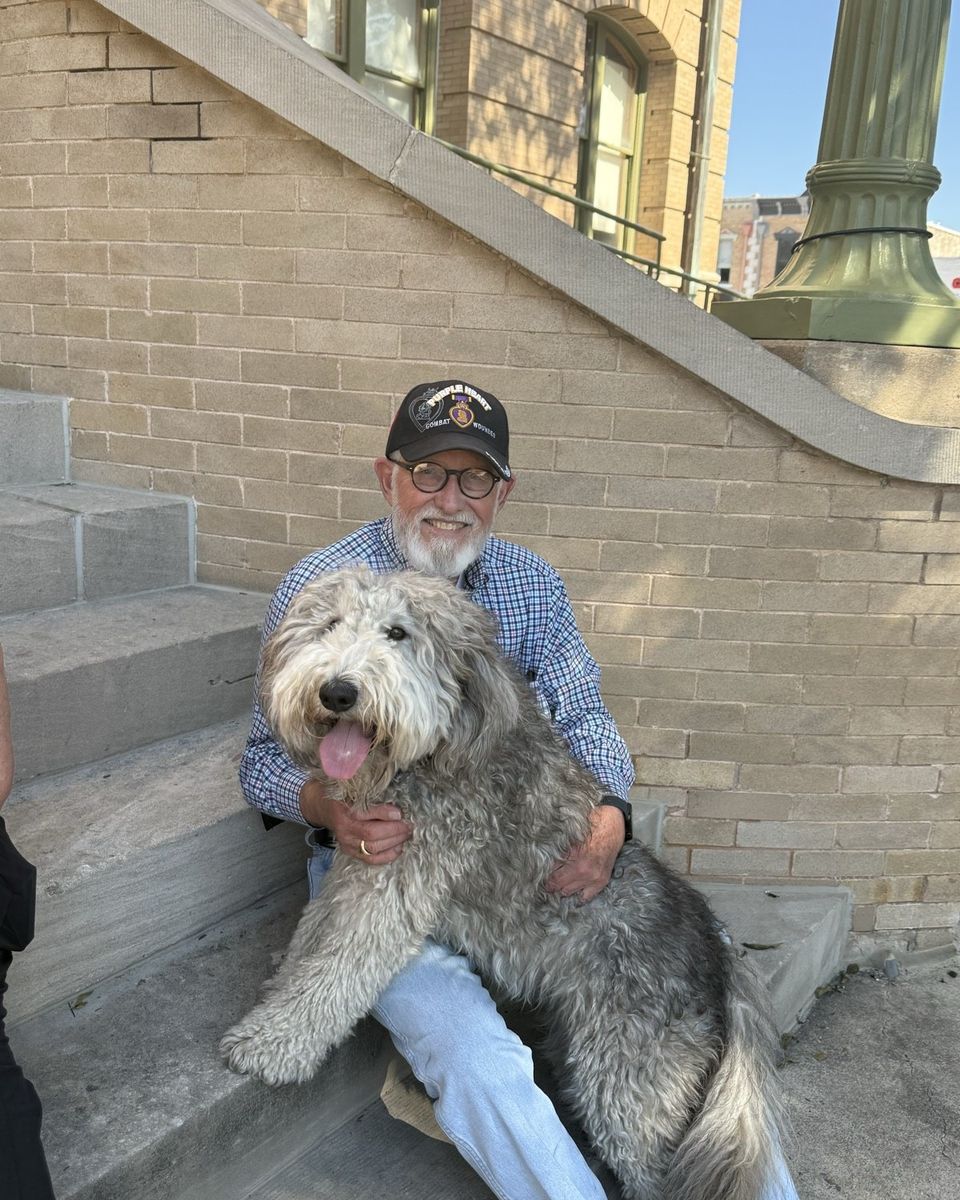
This program is designed for veterans living with service-related PTSD, MST, or TBI who are seeking greater independence, confidence, stability, and daily support through a properly trained service dog.
This is not a pet training program or a casual obedience class. Service dog training requires commitment, consistency, accountability, and active participation from both the handler and the dog.
I do not train the dog for you.
I teach you how to train and work alongside your own service dog, building a reliable working partnership rooted in trust, communication, structure, and real-world reliability.
This structured program includes:
Veterans may enter the program with their current dog, or I can assist in evaluating and selecting a potential service dog candidate with the best possible chance of success.
Dogs over 1 year old should already demonstrate a solid foundation of general obedience.
All dogs are assessed individually.
Not every dog is suited for service work, and no guarantees can be made regarding final outcomes.
Dogs entering the program should be:
Service dog work requires a very specific combination of:
Even loving, well-behaved dogs may not be suited for the demands of public access work.
The goal is never simply to “pass” a dog through a program — it is to determine whether the dog can safely, confidently, and appropriately handle the responsibilities required of a legitimate working service dog.
Once accepted into the program, handlers participate in weekly small-group classes focused on developing:
Handlers are assigned weekly practice exercises to reinforce skills outside of class.
Progress depends heavily on consistent practice and follow-through outside of weekly sessions.
A legitimate service dog must be able to remain calm, neutral, and under control in real-world environments. Training may include structured exposure to:
The goal is not simply obedience — it is calm, reliable behavior in real-world environments.
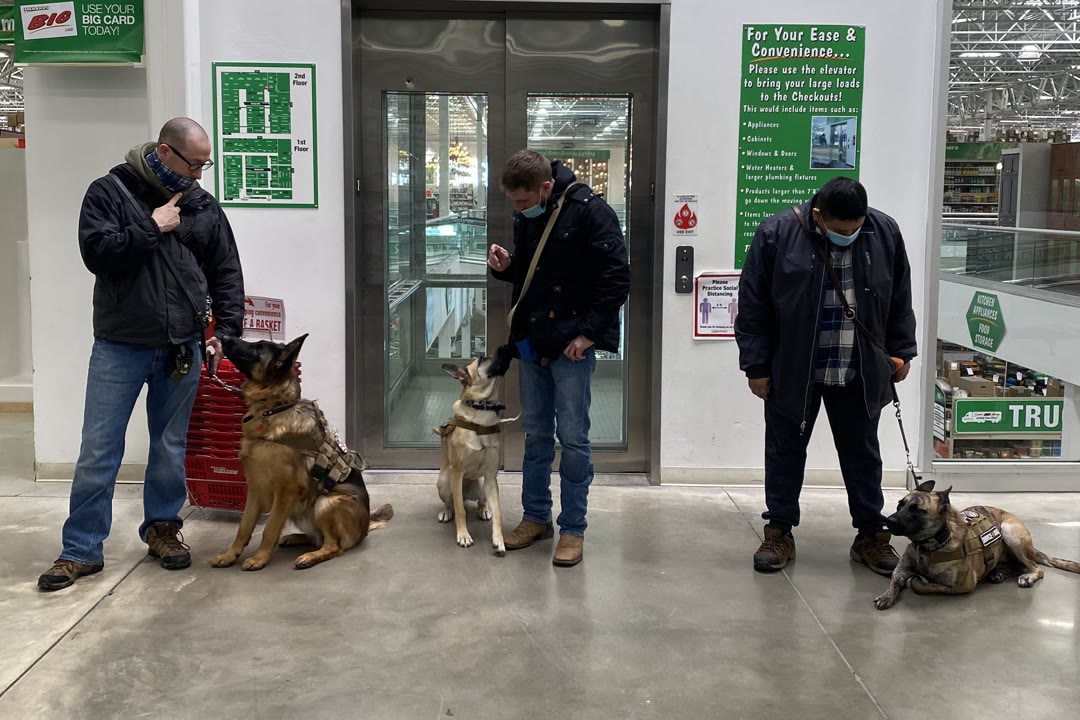
All teams complete a 23-point Public Access Test to help ensure the dog can safely and appropriately function in public environments.
The evaluation focuses on:
While not legally required under the Americans with Disabilities Act (ADA), public access testing helps maintain safety, professionalism, and responsible service dog standards.
Service dog training is a serious commitment requiring consistency, patience, structure, and accountability.
Attendance is mandatory.
Repeated absences without valid medical or family emergencies may result in removal from the program.
To qualify for this program:
Interested veterans must complete an application through VET Service Dogs, NFP to be considered for the program.
If you have questions about eligibility, the process, or whether your dog may be a suitable candidate, I would be happy to discuss your situation further.
Honoring those who served.